**# How to Buy Wholesale Bedding for Hotels**
To buy wholesale bedding for hotels, you must establish reliable relationships with manufacturers or distributors that offer low Minimum Order Quantities (MOQs), consistent fabric quality standards like OEKO-TEX certification, and flexible return policies. Sourcing the right linens is critical because they directly influence guest comfort scores and operational longevity in a hospitality setting. Whether you are opening an independent hotel chain, managing vacation rentals, or sourcing inventory for business use, understanding how to vet suppliers ensures your investment protects both budget and reputation.
**## Assessing Your Specific Needs Before Sourcing**
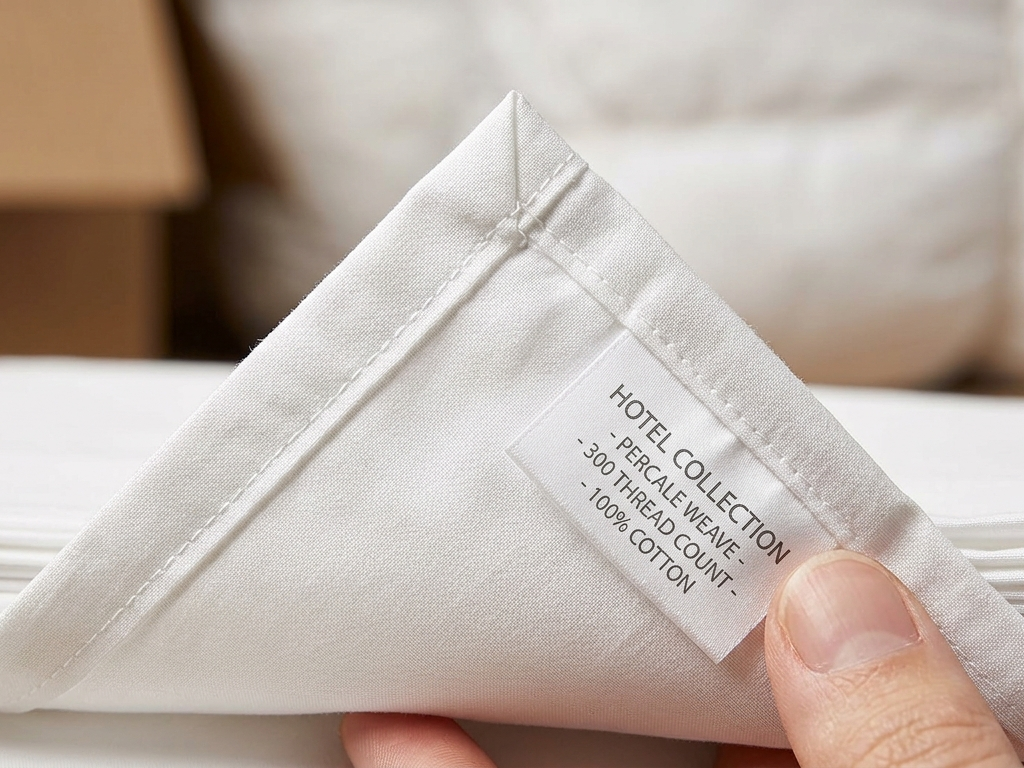
Before contacting any supplier, define exactly what the property requires. Thread count is often discussed as a primary indicator of quality, but it does not tell the whole story in hospitality applications. A high thread count on low GSM (grams per square meter) fabric can feel flimsy when laundered repeatedly after just twenty cycles. Conversely, heavy weight fabrics like 60-ounce Egyptian cotton or bamboo blends provide durability and a plush experience suitable for luxury properties.
Consider your climate as well. If you operate in an area with high humidity, moisture-wicking materials such as Tencel lyocell are essential to prevent odors between changes. For small businesses starting out, prioritize suppliers who can offer customizable packaging or branding options if the hotel plans to put its logo on hems or tags.
**## Identifying Reliable Wholesale Suppliers**
Finding a legitimate supplier often requires bypassing retail websites in favor of B2B platforms and direct manufacturer inquiries. Look for companies that specialize exclusively in hospitality textiles rather than general home goods retailers who merely drop-ship small batches from overseas factories.
When evaluating potential partners, ask about their production capacity during peak seasons like winter holidays or summer vacation periods. A reliable wholesale partner will communicate proactively if a shipment faces delays due to cotton shortages or logistics issues at port hubs. Always verify that the supplier can provide documentation regarding labor practices and material safety standards, as this reduces liability for your business operations later on.
**## Implementing Rigorous Quality Control**
Never place a bulk order without requesting physical samples first. Use these swatches to test how the fabric handles washing cycles under normal commercial laundry conditions. Check seams and hems because loose stitching can unravel after repeated industrial laundering. For Amazon sellers or Shopify owners who might also distribute this inventory, ensure that any packaging is sturdy enough for shipping but does not compromise the aesthetic of a finished product if they choose to retail it later.
Examine color consistency across different batches. Lighting conditions in warehouses often mask fabric imperfections compared to actual guest rooms under natural light and hotel lighting standards. Establish clear acceptance criteria with your manufacturer before production starts so that you know exactly what is considered an acceptable defect rate during quality inspections upon delivery.
**## Negotiating Terms for Small Businesses**
Many suppliers list high prices on their standard catalogs but are open to negotiation for bulk commitments or long-term partnerships. For small businesses and startups, negotiating payment terms such as net-30 can be crucial for cash flow management. Ask if the supplier offers tiered pricing structures based on order volume without requiring you to pre-purchase future orders that might sit in inventory for months.
It is also worth asking about shipping logistics. Consolidated freight rates will save money over single-package air shipping, which drastically impacts margin analysis. If you are selling these items via TikTok Shop or eBay later, ensure the supplier includes protective layers like bubble wrap and moisture-resistant packaging to prevent damage during transit to your fulfillment center.
**## Utilizing Industry Directories**
Industry directories serve as useful starting points but should not be relied upon exclusively because listings can sometimes contain outdated information regarding company locations or stock levels. Supplement directory searches with attendance at trade exhibitions where you can inspect machinery and speak directly with product development teams in person. Building a personal relationship often leads to faster communication channels when urgent replacements for lost linens are needed during unexpected maintenance runs.
FAQ: **What is the best thread count for commercial hotel bedding?** A range of 300 to 450 threads per inch generally offers an optimal balance between softness and durability without increasing laundry times or fabric wear too significantly. Higher counts often require more frequent washing cycles which accelerates aging in high-turnover environments like motels.
**Can I request custom embroidery for small order quantities?**
Yes, but this usually increases unit costs by ten to fifteen percent per sheet set depending on the thread color and density required. Many wholesalers will only accommodate custom requests after a certain dollar threshold is reached with your initial deposit.
**What should my return policy look like if goods arrive damaged?**
A robust agreement should specify that any items exceeding a specific defect percentage can be replaced free of charge within thirty days or deducted from the next order balance at zero cost to you. Always include photos and reports upon delivery so disputes are resolved efficiently without affecting your invoice standing with the vendor.
**How do I prevent fabric shrinkage in commercial washers?**
Ensure the manufacturer provides pre-shrunk fabrics specifically designed for industrial 60-degree F washer cycles. Ask if the supplier has tested their own product lines in facilities similar to yours before mass producing any new batch meant for resale or guest use.