**How Wholesale Dropshipping Works A Guide For Sellers And Wholesalers**
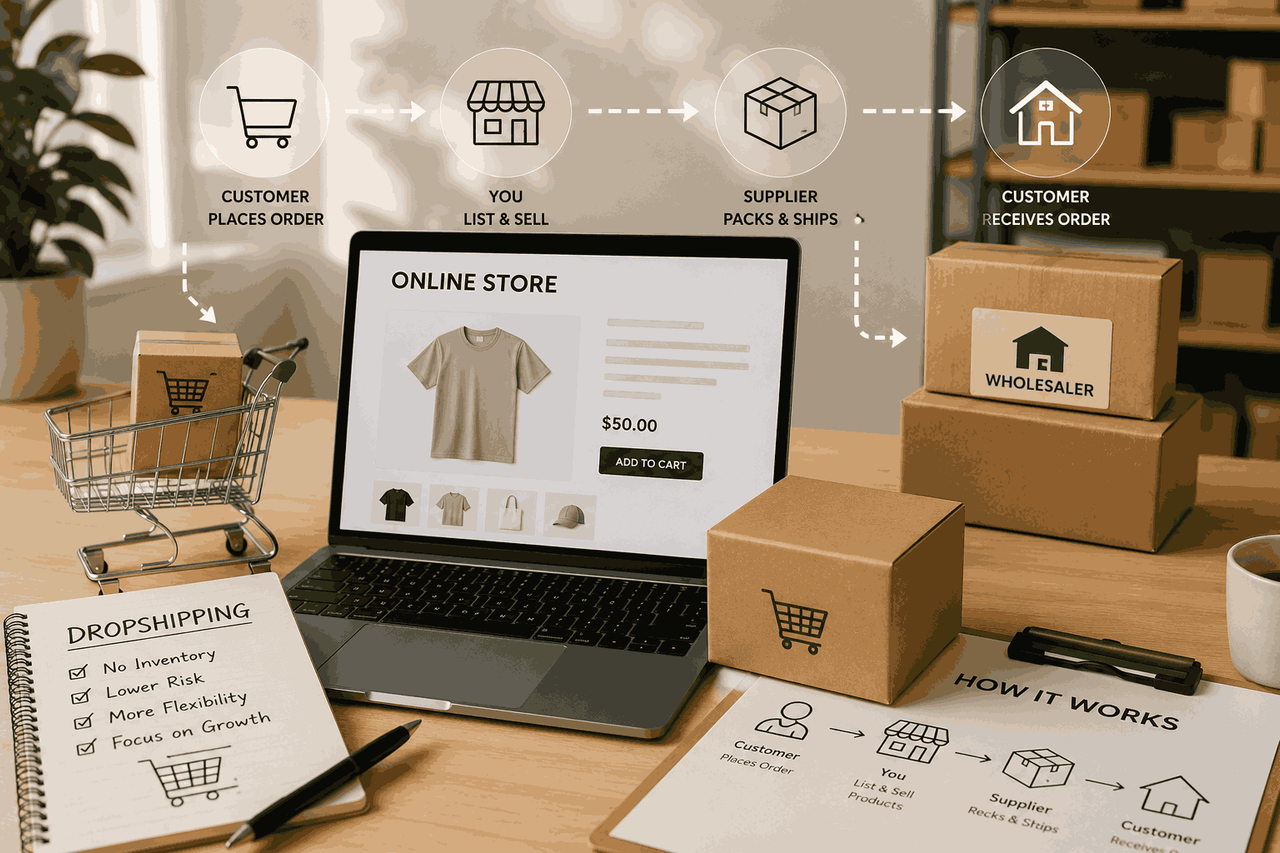
Wholesale dropshipping is a business model that allows retailers to sell products without holding inventory or managing shipping logistics directly. In this arrangement, you establish relationships with manufacturers or wholesalers who store and ship goods on your behalf when an order is placed through your website. The buyer pays the retail price, while you cover the difference between their wholesale cost and your selling price for profit, minus any transaction fees associated with sales processing channels. This model significantly reduces upfront capital risk compared to traditional e-commerce operations that require purchasing stock in bulk before a sale occurs.
**Understanding The Core Mechanics**
To succeed with this business approach, one must understand the flow of goods and funds within the supply chain. Typically, you register as an authorized distributor or partner on your specific platform. When a customer places an order for $50, that amount goes to your account immediately via payment gateway integration found in most online store builders. You are not required to have physical stock ready at home; instead, after verifying funds and shipping address details, the system automatically notifies your supplier partner of the new request.
The process then moves away from you entirely. The wholesaler picks the item from their warehouse, packs it using neutral or white-labeled packaging if agreed upon in contracts, and ships directly to the customer's home address. Your role shifts from logistic manager to brand curator. You handle marketing campaigns, ensure accurate product descriptions are uploaded for your audience base, resolve any complaints regarding shipping delays with suppliers, and manage returns by relaying instructions back up the chain. This separation of duties allows you to focus entirely on acquiring traffic rather than worrying about warehouse space or staff training.
**A Practical Scenario For Understanding Margins**
Consider a small fashion business owner who wants to launch an online clothing store using dropshipping methods. They identify a supplier offering high-quality t-shirts at wholesale prices per unit without requiring bulk minimums for the first order period. The seller lists these items on their storefront with retail pricing of twenty dollars each, while sourcing them from manufacturers at ten dollar cost bases including shipping fees charged to resellers.
Here is how an order flows in a typical month:
1. Customer A visits your online store and purchases two t-shirts for forty dollars total.
2. Payment gateway captures the funds immediately upon checkout completion.
3. You deduct the supplier costs plus any specific listing or transaction fees, which might be around five to ten dollars depending on volume agreements reached with distributors.
4. Your net profit from this single sale is roughly thirty-five percent of revenue after platform and vendor charges are settled.
This model allows business owners who operate within Amazon marketplaces to compete without massive upfront inventory capital. Similarly, sellers using standalone stores benefit by being able to test new product lines instantly without committing thousands in unsold stock that might end up gathering dust on shelves for months until seasonal changes occur. This flexibility is the primary advantage over traditional wholesale purchasing where cash flow gets tied up between production and sales cycles.
**Considerations For Different E-Commerce Platforms**
Sellers utilizing social commerce applications or established marketplaces face unique challenges compared to those with standalone websites. On platforms like Amazon, strict compliance regarding tracking numbers from your supplier is mandatory because of high buyer expectations for speed. If shipping takes too long on these networks, the risk of account penalties increases significantly due to customer feedback thresholds being met within short timeframes. For independent stores hosting products via Shopify or other builders, brand identity control allows you to customize packaging experiences if negotiated with wholesaler partners correctly, fostering higher customer loyalty scores over repeated orders from new buyers discovering your store through social media channels.
Furthermore, TikTok Shop sellers must consider that their audience values visual presentation and video content heavily while browsing mobile apps. This means ensuring supplier images are high-resolution since product photography directly impacts conversion rates in this environment where users make impulse buying decisions quickly based on lifestyle integration shown in videos rather than detailed specifications found in text descriptions alone.
**Useful Tips For Small Businesses And Wholesalers**
For entrepreneurs starting out, verifying wholesaler legitimacy is a critical first step before integrating new partners into operations. Request documentation like tax certificates or business registration numbers to ensure you are dealing with legitimate entities capable of fulfilling orders across borders if applicable later on. Additionally, negotiate agreements regarding shipping timelines explicitly so that both parties understand what constitutes acceptable delivery speed for the customer experience goals set in your policies today. Cash flow management is also essential since funds from sales land in one account while wholesale costs must be remitted promptly to keep lines open with vendors consistently providing stock updates and restocking alerts without interruption. Finally, build relationships by communicating openly about seasonal spikes or promotional events so wholesalers can help coordinate production schedules effectively rather than expecting immediate availability for standard orders taken during unexpected marketing pushes later on your schedule this year ahead of peak demand seasons arriving next month soon enough.
**Frequently Asked Questions (FAQ)**
**What is the biggest risk in wholesale dropshipping?**
The primary concern involves supplier reliability and shipping consistency. If a wholesaler misses deadlines, customers expect refunds or compensation from you regardless if it was their fault unless contractually specified otherwise. Always maintain buffer stock of key items with local distributors just for safety during major holidays to prevent customer service nightmares that affect brand reputation permanently online reviews depend on timely delivery performance metrics constantly monitored daily by support teams ensuring satisfaction ratings remain stable and healthy even when global supply chains fluctuate unpredictably outside your control sometimes causing delays unexpectedly in unexpected regions where you ship products directly from overseas factories or domestic warehouses depending on location specific inventory levels currently available for immediate fulfillment requests made through order systems.
**How do I calculate the correct pricing strategy?**
Pricing must cover supplier costs, transaction fees charged by payment gateways like those common across industry standards plus platform subscription costs and advertising spend required to drive traffic towards new listings or existing products featured on homepage banners within promotional campaigns designed to maximize return value for every dollar spent driving organic search visibility through keyword optimization techniques tailored specific product categories selling hot items this month before season changes happen next year affecting sales cycles significantly impacting bottom line profitability overall revenue growth targets set quarterly by management teams overseeing multiple locations operating across various market segments currently active in online commerce environment today worldwide.
**Can I offer customer support if a supplier makes an error?**
Absolutely, and you must do so professionally. Most customers prefer dealing with the retailer directly rather than contacting third-party manufacturers overseas who may not speak their native language fluently enough to explain product issues or return policies effectively during holiday seasons when volume increases dramatically requiring extra staffing resources from logistics hubs located globally handling shipments for large numbers of orders placed daily online without interruption service levels declining too much which hurts brand perception over long term business relationships built based on trust and consistency throughout sales funnel stages leading consumers directly toward checkout pages optimized specifically for mobile conversion rates targeting demographic groups shopping primarily via smartphones rather than desktop computers accessing sites at odd hours during evening or late morning slots when competition from other sellers drops off allowing higher visibility opportunities without ad spend costs rising significantly due to bidding wars occurring around major holidays.
**Is inventory management still required?**
In standard wholesale dropshipping models, you manage orders and customer data but not physical goods unless hybrid stock holding is utilized as a risk mitigation strategy against shipping delays caused by supplier failures.